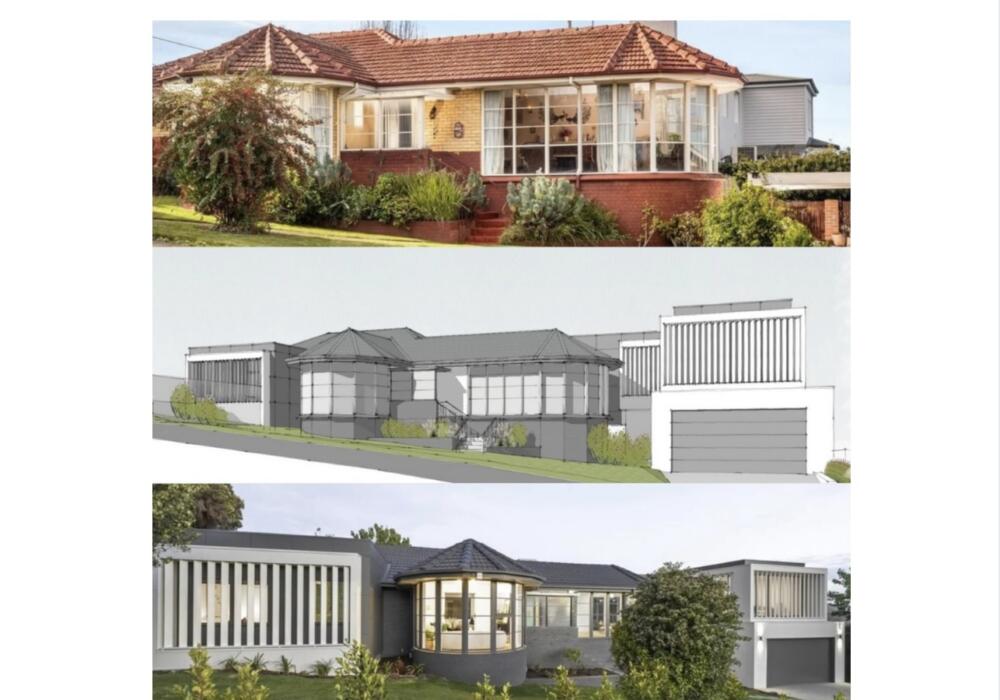
A recent project in Newtown, Geelong, highlights the careful balance often required when working with heritage homes in established residential areas. The property, a well-known heritage listed dwelling within the suburb, presented an opportunity to modernise the home for contemporary living while retaining the character that gives the area its identity.
Heritage projects are rarely straightforward. They require a considered approach from the outset, particularly where alterations and additions are proposed. In this case, the brief was to rework the dwelling into a more functional and liveable home while ensuring the original architectural features were respected and retained. Our role covered both the architectural design and the town planning process. Early stages focused on understanding the existing heritage significance of the building and how any new works would sit within that context. This is often where the success of a proposal is determined, not at the council assessment stage, but in how well the design responds to heritage controls before lodgement.
The design outcome sought to introduce modern functionality into the home without overwhelming the original structure. This included careful consideration of scale, materiality, and how new additions would be read against the existing dwelling. The intention was not to replicate the past, but to ensure the new works were clearly secondary and sympathetic to the original building.
Once the design direction was finalised, we prepared and lodged the planning application with the City of Greater Geelong. Heritage applications typically require detailed documentation and clear justification of how the proposal responds to both heritage policy and residential amenity objectives. As part of the assessment process, Council also considers whether the proposed works maintain the significance of the original building while allowing it to continue functioning as a contemporary home.
Following assessment, the application was approved and a planning permit was issued. This outcome allowed the project to move forward into the construction phase, with the design intent and heritage considerations formally supported through the planning system.
For the clients, the approval meant they could proceed with confidence, knowing the character of the home would be retained while adapting it for modern use. For the broader streetscape of Newtown, it reflects the ongoing approach to heritage in established suburbs. Allowing buildings to evolve over time while maintaining the qualities that define the neighbourhood.
Projects of this nature rely heavily on early planning clarity and a well-resolved design approach. When heritage controls are involved, the way a proposal is framed at the beginning often determines how efficiently it moves through council assessment.
Photo credit: Nicole Mayne