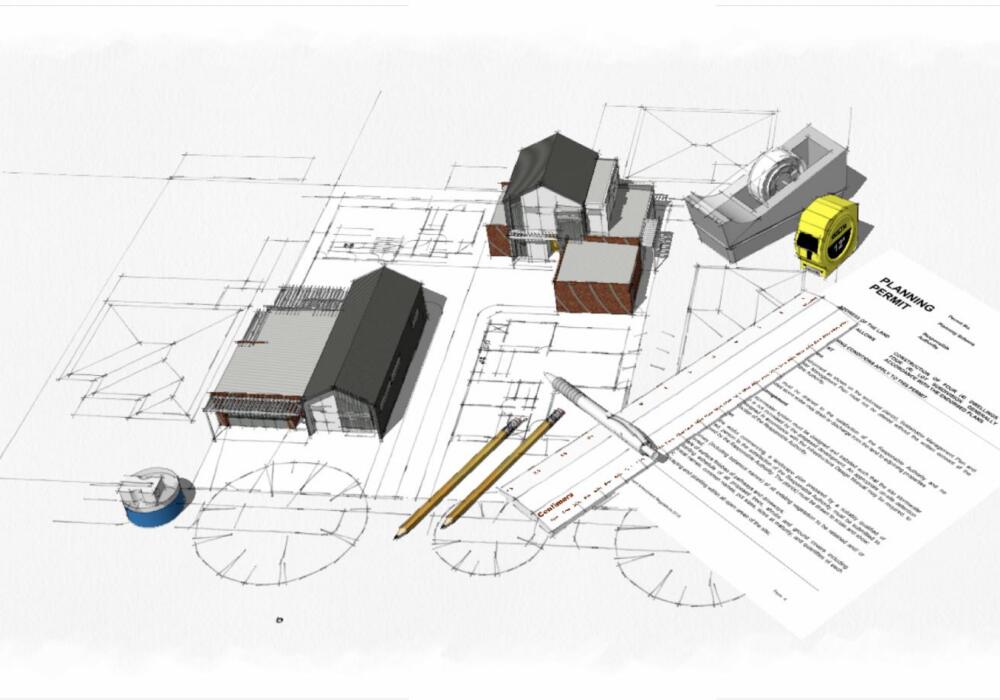
Subdivision is a critical step in unlocking development potential, and understanding the process is essential for landowners and developers. In town planning across Geelong and Victoria, subdivisions are governed by both the local Planning Scheme and the Subdivision Act 1988. Engaging an experienced town planning consultant early can significantly streamline the process and reduce delays.
In most cases, a subdivision planning permit is prepared concurrently with a development application. This approach ensures the design, lot layout and planning controls align from the outset. Once Council issues the planning permit, the subdivision component moves into a more technical phase involving a licensed land surveyor.
The subdivision process occurs in four key stages, which must be completed in order.
Stage 1: Planning Permit for Subdivision
A planning permit is required under the Planning Scheme. This stage is typically managed by a town planner. The permit establishes the planning framework and conditions for the subdivision.
Stage 2: Certification of the Plan of Subdivision
Following permit approval, an application for certification is lodged under the Subdivision Act 1988. The plan of subdivision, prepared by a licensed land surveyor, is referred to servicing authorities such as water, electricity, gas and roads. Once all authorities consent, Council certifies the plan.
Stage 3: Statement of Compliance
A Statement of Compliance confirms that all planning permit conditions and authority requirements have been satisfied. This includes any required construction works such as crossovers and utility connections.
Stage 4: Lodgement at Land Victoria
The final step is lodgement of the certified plan and statement of compliance with Land Victoria, enabling new titles to be issued for each lot created.
Engaging a qualified town planning consultant at the first step sets a strong foundation for a smooth and successful subdivision journey.